


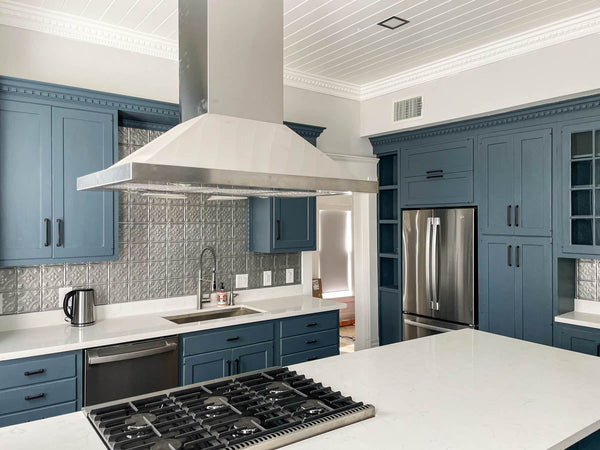



Do you need a vent for an electric stove?

Table of Contents
You have two options for your kitchen range: gas or electric. Electric stoves are most popular in smaller kitchens, while gas cooktops are common in larger homes. If you cook often and need extra power, a gas stove is best for you.
Gas cooktops can reach up to 300,000 BTUs for residential homes. When cooking appliances get that powerful, it is always recommended to buy a vent hood for your kitchen. You want effective ventilation since your stove produces a lot of heat and cooking exhaust.
But not everyone has a gas cooktop. An electric range is popular, especially in apartments and condos. Often, people wonder if an electric stove needs a ventilation hood since it's much less powerful than a gas cooktop. We sometimes have customers call in asking if they need a kitchen range hood for their electric stove.
The truth is that you should consider a vent hood for your electric stove. Even if you cook one or two times a week, a kitchen hood can be beneficial for you. It will clean your indoor air and improve your indoor air quality. For electric stoves, we recommend a range hood of at least 600 CFM.
With gas ranges, we recommend ducted range hoods in all kitchens. We also recommend ducted range hoods with electric stoves for powerful performance. They are incredibly efficient.
Vented range hoods are more powerful than non-vented range hoods. But with an electric cooktop, you don't need tremendous power out of your hood. So, ductless range hoods could be a great ventilation solution for you. Ductless hoods are less efficient at removing cooking odors, but they're an affordable and reliable option for those who live in an apartment or condo.
In an apartment, you may not be able to install ductwork for your hood, so ductless will be your only option. For a list of some of the best ductless range hoods on the market, complete with reviews, click here.

Why Do You Need to Vent Your Stove?
There are several reasons why you need to vent your stove with an exhaust hood.
A range hood, ducted or ductless, improves your indoor air quality.
According to the World Health Organization, 3.8 million people die from indoor air pollution each year. Polluted indoor air is particularly dangerous to children. Fifty percent of children under five years old who die from pneumonia die due to poor indoor air. The right ventilation solution can make a significant difference in your home improvement efforts.
It vents strong smells and chemicals from your indoor air to the outside of your home.
Range hoods filter both cooking exhaust and chemicals such as carbon monoxide from your home.
A ducted range hood takes most of the pollutants in your kitchen and removes them from your house through powerful ventilation. This is the safest means of ventilation.
In contrast, a recirculating range hood pulls your kitchen air through charcoal filters. Then, it circulates the air back into your kitchen. The charcoal filter neutralizes odors and catches some contaminants. But they are not as effective as moving the air outside your home through hood vents.
It keeps your kitchen cabinets, walls, and ceiling from accumulating heavy grease and dirt.
Without a range hood, steam, smoke, and grease droplets travel upward to your kitchen cabinets. Grease will also gather around the kitchen on the walls and surrounding surfaces, affecting your overall kitchen environment.
With a range hood, all the smoke and steam gets pulled through your duct or charcoal filters. It doesn't scatter throughout your kitchen. As long as you have the right-sized hood and you mount it at the appropriate height above your cooking surface, it will clean your kitchen air with ease.
A range hood fan is a conversation starter, especially when it comes to selling your house.
Whether you are sitting down to dinner with your family, hosting a party, or selling your home, a stainless steel range hood is a fantastic conversation starter. It is a beautiful and functional kitchen appliance that will leave your guests in awe and elevate your kitchen design.
It removes smoke and steam from your kitchen for years to come.
Compare a kitchen exhaust fan to your typical electric fan. Unlike an electric fan, your range hood is mounted above the range for maximum efficiency. It will last you at least a decade. Not to mention that variable speed range hoods offer you incredible flexibility with quiet operation. You can also duct yours to the outside to completely remove the harmful contaminants.

Is a Stove Vent Required by Code?
Range hoods are not specifically required by code in residential environments. But every range hood must abide by safety standards. For specific range hood code requirements in individual states, click here.
Most states outline requirements for commercial vent hoods, which include but are not limited to:
- A commercial hood must duct to the outside.
- It must use stainless steel ductwork.
- It must be mounted at least 24 inches away from the cooktop (We recommend 28 inches for maximum efficiency).
These requirements vary by state. Generally, if you're not putting yourself at risk by producing a lot of cooking exhaust or chemicals, you won't need a range hood.
If you live in an apartment or condo, the landlord may require a ventilation hood of a certain CFM or mandate makeup air. Be sure that you are abiding by all their requirements. If they don't require a hood, maybe you can convince them to install one at your place.

Hood Types and Options
When shopping for a range hood, you'll encounter several hood options to choose from based on your kitchen layout:
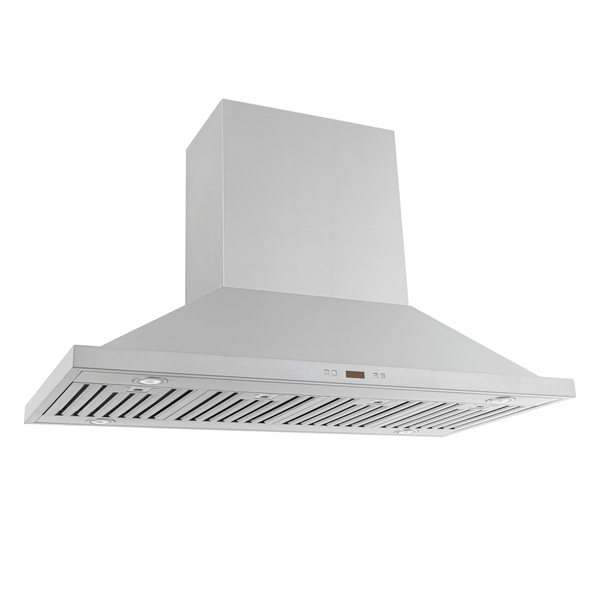
A wall mount range hood or wall-mounted hood is ideal if your cooktop sits against a wall. These wall-mounted hoods come in various styles, including the popular chimney hood design that makes a bold statement.
Island range hoods and island hoods are designed for cooktops placed on kitchen islands. They mount to the ceiling and vent upward, providing excellent coverage for your cooking surface.
A cabinet range hood or under cabinet hoods fit neatly beneath your kitchen cabinets, saving space while still providing effective ventilation. Cabinet hoods are great for kitchens with limited ceiling height.
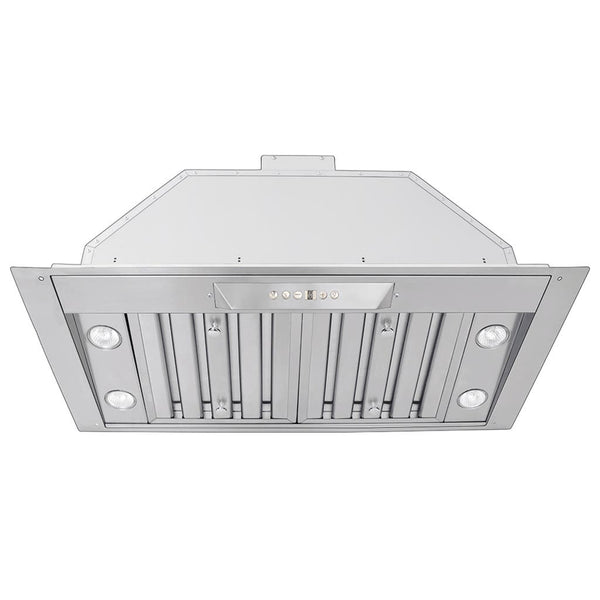
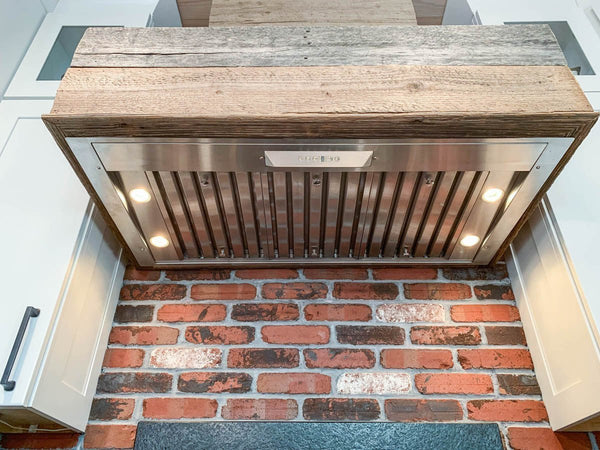
For a seamless look, consider a hood insert that integrates into custom cabinetry. A canopy hood or canopy range hood offers a classic design with excellent airflow.
When comparing hood types, consider the noise level of each option. Many modern hoods feature quiet operation, so you can cook without disrupting conversation.
Ventilation Types Explained
Understanding ventilation types helps you make the best choice for your home:
Ducted hoods vent air outside through ductwork. They provide the most powerful ventilation and are ideal for heavy cooking.
Ductless range hoods recirculate air through baffle filters and a charcoal filter. While not as powerful, they work well for light cooking and spaces where ducting isn't possible.
How Far Can You Vent a Range Hood?
You can vent a range hood using about 30' of duct max. This rule applies to wall range hoods, island range hoods, under cabinet hoods, downdraft hoods, inserts, and outdoor hoods. Any longer than 30' and your kitchen air won't make it to the outside.
We also recommend that you use no more than two elbows, since these drastically increase air resistance in your duct system. Always follow the installation instructions that come with your hood for best results.
For more helpful tips on ducting your range hood and choosing the right size of duct, check out this complete guide.
CFM for Electric Cooktops
To calculate the CFM of your electric cooktop, take the total British thermal units (BTUs) of your cooktop and divide that number by 100. This represents the minimum airflow in cubic feet per minute that you need for your range hood.
For example, if your electric stove has six burners that produce 8,000 BTUs each, your stove produces 48,000 BTUs total. Divide that by 100 to get 480 CFM.
In general, we recommend adding 100-200 CFM to this amount, depending on your cooking style. We want you to have flexibility while cooking and never be left asking for more power from your range hood. This will deal with any excess grease that a lower-powered range hood may not capture.
With a hood that is a little more powerful than you need, you can use it at lower speeds frequently or even all the time. This will make it last longer and produce a lower noise level as well, so you can enjoy a comfortable experience in the kitchen environment with your friends and family.
For more information on calculating CFM for your range hood, click here.
Additional Features to Consider
Modern range hoods come with features that enhance your cooking experience. LED lighting provides bright, energy-efficient illumination over your cooking surface, making meal prep easier. Many stainless steel range hoods also include hood filters like baffle filters that are easy to clean and maintain.
Before adding a range hood to your shopping cart, check for warranty information and subscription terms if applicable. Some retailers offer free delivery on larger kitchen appliances, including range hoods, wall ovens, and ice makers.
Also consider your current location when selecting a hood, as local codes may require a maximum number of CFM or specific hood types. Account creation on manufacturer websites can give you access to exclusive deals and detailed installation instructions.
Recap
In summary, buy a range hood for your electric stove. It will not only clean your air, but it will also help you cook. Bright LED lighting and a versatile control panel make your job easier in the kitchen. Venting your electric range hood is ideal, but not necessary.
For more range hood content, check out our articles below!
Related Articles
5 Best Proline Wall Range Hoods
Best 600 CFM Range Hoods and Buyer’s Guide
Best 900 CFM Range Hoods and Buyer’s Guide
Ready to find the perfect range hood for your electric stove?
Shop Range Hoods Now